I have been fascinated by sea turtles since I first learned just how ancient they really are.
These creatures have been on Earth for more than 100 million years — they
survived the mass extinction that wiped out the dinosaurs. They were navigating the world's
oceans long before humans existed. And honestly? I also just think they're adorable. 🐢
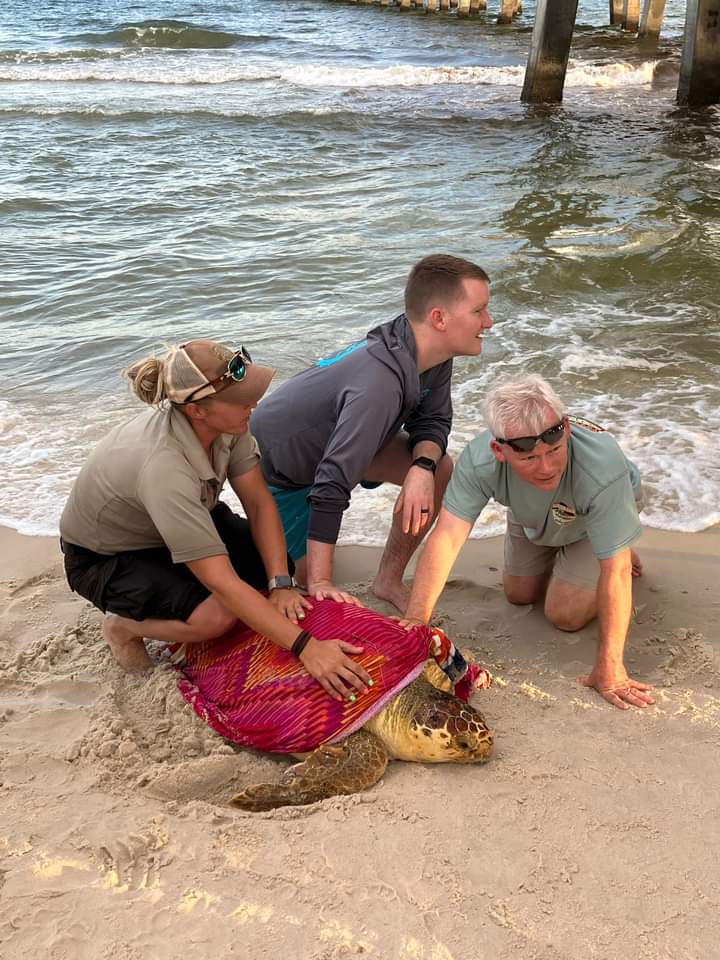
My wife and I are proud volunteers for Share the Beach — Alabama's official sea
turtle conservation program, founded in 2005 by the Friends of the Bon Secour Wildlife Refuge.
Every season, from May through October, we join fellow volunteers on the sand to protect the
turtles that come to our beaches to lay their eggs.
Share the Beach works to mitigate human-related impacts to nesting sea turtles, monitor nests
and hatchlings, and promote conservation through public outreach and education. Volunteers give
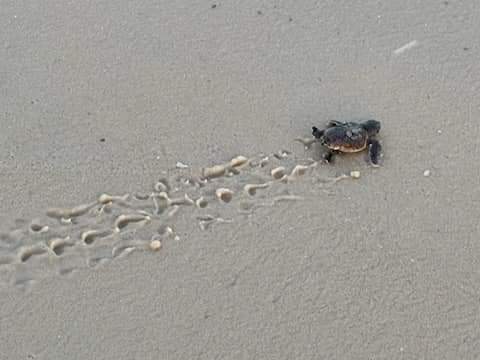
their time to search for nests, assist during hatchling events (known as "boils"), give talks for
school groups, and educate the public on how to share the beach responsibly.
The program follows protocols set forth by the U.S. Fish and Wildlife Service
under the federal endangered species recovery permit. It receives no federal funding — it runs
entirely on donations from sponsors and the Adopt-a-Nest program.
🔦
No flash or bright lights at night. Light disorients nesting females and hatchlings. Avoid flashlights, flash photography, fires, and even light-colored clothing on the beach at night.
🚫
Never disturb a nest. If you come across a marked turtle nest, keep your distance and leave it undisturbed. The stakes couldn't be higher.
🏖️
Leave only footprints. Clean up completely after a beach day. Litter and debris are hazards to turtles and hatchlings navigating to the water.
💡
Turn off patio lights. Any outside lights that shine onto the beach at night can disorient turtles. Close blinds and turn off exterior lights during nesting season.
🕳️
Fill in holes before you leave. Holes dug in the sand are traps for hatchlings making their way to the water. Always fill them before leaving the beach.
🚗
No vehicles on nesting beaches. Vehicles compact the sand over nests and can kill eggs and hatchlings. Stay off nesting areas entirely.
Sea turtles are pretty darn awesome — and they need our help and respect.
Please do your part to help our little ancient friends. 🐢
All footage and photography obtained with approval of U.S. Fish & Wildlife Service under conditions not harmful to sea turtles.