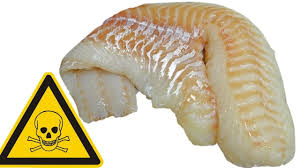
This is a bit of a long read — but if you're at all concerned about what you eat, or curious about where your food comes from, it is not a waste of your time. I have long avoided a number of different foods, but the issue that should make everyone angry is being deceived. The practice of passing off something at a restaurant that can potentially be harmful to you and your family is reprehensible.
I'm going to share an experience that is not uncommon for me — visiting a new restaurant that has just "fish" on their menu. I inquired what kind, and the answer was Swai. When I asked where it comes from, I was told Taiwan. Some folks think that might be a better option than Vietnam, but unfortunately that is not the case. Taiwan imports over 842 tons of Pangasius fillets per quarter from Vietnam — accounting for 99.38% of Taiwan's total Pangasius import market share. The remaining fraction is sourced from China.
Pangasius pangasius is the formal name of this fish. Depending on the restaurant or region, it travels under a remarkable number of aliases — and the one that ticks me off most is when a restaurant simply calls it "White Fish." I've had other restaurants tell me it was "like catfish" and farm-raised. It is also called Vietnamese catfish, basa fish, and iridescent shark — but it is neither a basa nor any kind of shark.
It's noteworthy that due to increasing concerns about the sustainability of the wild Swai population, much of the fish available today is farmed rather than wild-caught — which raises its own questions about quality and safety. Many of those "farm" fish still draw their water from the Mekong Delta. And that's a problem. Vietnam leads the world in production and export of Swai, with the Mekong Delta region as the primary source.
The water in the Mekong Delta is contaminated with a range of pollutants:
You don't have to take my word for it. In 2023, the European Parliament issued an alert about Pangasius pangasius:
I guess they're passing too. On the regulatory front, the US FDA did act — in 2003, they passed a law stating that only fish in the Ictaluridae family (which includes American catfish, but not Swai) can be labeled or advertised as catfish. That's a start. But the two varieties of Vietnamese catfish sold in the US — Swai and Basa — aren't technically considered catfish by the federal government and therefore aren't held to the same inspection rules that other imported catfish are.
Nearly 90% of the catfish imported to the US comes from Vietnam, where use of antibiotics that are banned in the US is widespread. And for what it's worth, antibiotic overuse is also a documented problem with imported shrimp.
I know of quite a few local Baldwin County restaurants that serve this fish, because I've been there in person. No names will be mentioned here — but rest assured, just like the restaurant I started this discussion with, I made every effort to make my case. I tried to talk to the chef, the owner, the manager, or anyone who would listen — sharing these facts and encouraging them to make an informed decision about keeping Swai on the menu.
Why do they serve it? I can only assume it's the money. Swai can cost as little as $2 per pound. Frozen Vietnamese Swai fillets are sold for 38% to 55% less than frozen US catfish fillets. So yeah — unfortunate indeed.
On the other hand, there are more establishments recognized for their commitment to fresh, local seafood than those that aren't — and that's a very good thing. I mean seriously, we're on the Gulf. Flounder, triggerfish, Red Snapper, Pompano, Sheepshead, Grouper, King Mackerel, Cobia — why serve Swai?
Governor Kay Ivey recently signed a bill requiring grocery store delis and restaurants in Alabama to label whether seafood is imported or domestically produced. The law also requires establishments to designate whether seafood is wild-caught or farm-raised, and went into effect October 1, 2024 — enforced by the Alabama State Department of Public Health. Thanks, Mee Maw. 😊
But beware — the new law does not apply to any retailer already required to inform consumers of country of origin under federal law. Grocery stores, supermarkets, and club warehouses are subject to the Perishable Agricultural Commodities Act. However, restaurants and in-store delis are exempt from the federal law, so they would be required to comply with Alabama's new law. It's progress.
Scientists at the University of Hawaiʻi at Mānoa School of Life Sciences found that 21% of seafood sold in the greater Honolulu area is mislabeled — and the most common mislabeled fish was Swai, sold as a more expensive fish under various names. Seafood mislabeling has been documented worldwide.
This is not just poor business practice — it is proven criminal activity. A Mississippi seafood giant sold thousands of pounds of imported frozen fish and billed it as fresh-caught local snapper, operating from 2002 through November 2019. The Mississippi Attorney General and the Federal DOJ prosecuted Quality Poultry and Seafood Inc., which pleaded guilty to selling frozen fish imported from Africa, South America, and India as substitutes for local fish.
Mary Mahoney's Old French House in Biloxi was also indicted for conspiracy, admitting that between December 2013 and November 2019 it fraudulently sold approximately 58,750 pounds of fish as local premium species when it was not. QPS supplied seafood to Mary Mahoney's, other restaurants, and retailers — and even served it in their own café.
As US Attorney Todd Gee put it: "This kind of mislabeling fraud hurts the overall local seafood market and rips off restaurant customers who were paying extra to eat a premium local product."
I have been alerting people about fraudulently labeled and potentially harmful imported seafood for decades. It started with a personal experience many years ago and has remained an issue I feel compelled to discuss. The health risks from seafood misrepresentation are real — misrepresented seafood can expose people to allergens, toxins, and environmental contaminants with severe consequences.
To combat these issues, more stringent seafood traceability must be implemented across the entire supply chain — DNA testing, detailed documentation, greater transparency. Until then, our best protection is our own knowledge. By understanding the origin and authenticity of our seafood purchases, we can drive positive change and hold businesses accountable.
My goal is always to help educate my fellow foodies about common types of seafood fraud — species substitution, mislabeling of production methods, country of origin deception. This knowledge lets all of us make informed decisions. Read the articles below. Share this post. Ask your restaurant what kind of fish they're serving. And if the answer is Swai — you'll know what to say.
- 01Swai Fish: Healthy or Unhealthy to Eat — Draxe.com
- 02Swai Fish: How to Decide If It's Safe — Verywellhealth.com
- 03Swai Fish: Unveiling Risks and Benefits — Welzo.com
- 04Swai Fish: Should You Eat or Avoid It? — Healthline.com
- 05Swai Fish: Benefits, Downsides & How to Avoid Mislabelling — Mindbodygreen.com
- 06Is That Fish You're Eating What the Label Said? — University of Hawaiʻi at Mānoa
- 07Mississippi Seafood Giant Sold Thousands of Pounds of Imported Fish as Fresh Local Snapper — Fortune, 2024